


Choosing a fly reel.
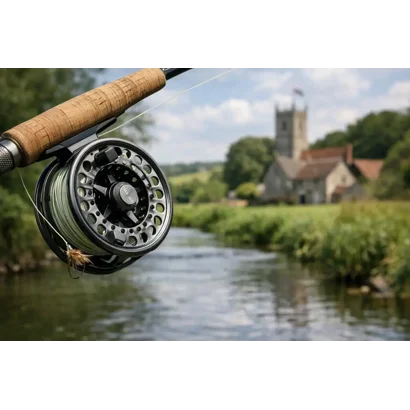
Choosing a fly reel.
01 August 2026 - 0 Comments
Posted by Mick
For much of UK trout fishing, the reel is there to hold line and balance the rod. That does not make it an afterthought. A poorly matched reel can make a light rod feel tip-heavy, create needless line memory, or leave you short of backing when a larger fish appears. Spend sensibly, match the reel to the fishing you actually do, and it should give years of dependable service.
Fly Fishing Reel Review: Start With the Fishery
The first question is not which finish looks best or how many bearings a reel has. It is where you fish and what you expect to catch.
For small streams, a compact reel rated for a 2/3 or 3/4 weight line is usually right for short rods and delicate presentations. Fish are often played from the line in hand, so a simple click-and-pawl reel can be perfectly adequate. Its light weight can also suit a short cane or modern lightweight rod.
On rivers and stillwaters for brown trout, rainbow trout and grayling, a 4/5 or 5/6 weight reel is the useful middle ground. Here, a reliable adjustable drag is worthwhile. It gives more control when a strong fish takes line and helps prevent overruns when you need to retrieve quickly.
Reservoir anglers using 6, 7 or 8 weight rods need more capacity and a firmer drag. Long casts, fast-sinking lines and powerful rainbows can fill the spool in a hurry. The same applies to saltwater fishing, where the reel becomes a much more active part of the setup. For salmon, choose by the rod and line system rather than assuming one large reel suits every river. A compact 7/8 weight setup for grilse fishing is very different from a heavier double-handed outfit used on a big, high-water river.
Get the Reel Size Right
Reel ratings are a useful guide, but they are not identical between makers. A reel marked 5/6 should carry a standard 5 or 6 weight floating line and backing, yet a bulky integrated shooting head or a thick sinking line can take up much more space. Check the stated capacity before buying, particularly if you intend to use a spare spool or fish several line densities.
It is usually better to choose the middle of a reel's rating. A 5/6 model is a natural match for a 5 weight rod, while a 6 weight rod may feel better with a 6/7 model if you use heavier stillwater lines. Avoid filling a reel so tightly that the line rubs against the frame. It makes winding difficult and can damage a costly fly line.
Balance deserves as much attention as capacity. Fit the reel to the rod if possible, or compare the listed weight with your existing setup. Hold the rod at the point where you normally grip the cork. A balanced outfit should sit comfortably without pulling forward at the tip or dragging down at the butt. This is particularly noticeable after a full day of nymphing, lake fishing or casting a long double-handed rod.
Large Arbor or Standard Arbor?
Large-arbour reels are popular for good reason. Their wider spool means quicker line retrieval and less tight line coil. They are especially useful on stillwaters, for competition-style retrieves, and whenever a fish changes direction and you need to recover slack promptly.
A standard-arbour reel generally holds more backing for its overall diameter and often suits traditional tackle well. It can also be a sensible choice for anglers who favour a lighter, less bulky outfit on small rivers. Neither design is automatically better. For modern trout fishing, large arbour is usually the convenient choice; for capacity, compactness or traditional style, standard arbor still has a place.
Drag Systems: Simple, Smooth and Fit for Purpose
The drag should be judged by how smoothly it starts, not simply by how tight it can be wound. A jerky start-up can cause light tippets to part just as a fish takes line. Turn the adjustment through its range before fishing. It should increase evenly and be easy to alter with wet or cold hands.
A click-and-pawl system is simple, light and enjoyable to use. On a small stream, where fish are managed by hand and tippet protection matters more than stopping power, it is hard to fault. Fewer moving parts can also mean less to go wrong.
Disc drags offer greater adjustment and are the more versatile option for trout fisheries, reservoirs, salmon and saltwater. A sealed disc drag helps keep water, grit and dirt away from the working parts. That matters if you wade silty rivers, fish from a muddy bank, or regularly expose kit to salt. It does not mean the reel needs no care, but it reduces the chance of trouble during the season.
For trout fishing, do not set the drag excessively hard. A modest setting that prevents spool overrun is often enough, with finger pressure added to the rim if needed. The reel should protect the tippet, not turn a lively fish into a tug of war.
Build Quality That Holds Up in the Field
Most reels are made from either die-cast metal or machined aluminium. Die-cast reels can offer very good value and are more than capable for occasional trout fishing, provided they are looked after. They tend to be heavier and can be more vulnerable to damage from a hard knock.
Machined bar-stock aluminium reels cost more, but they are normally lighter, stronger and better finished. They are a sensible investment for frequent anglers, those carrying a reel in rough ground, and anyone fishing saltwater or targeting salmon. Look for a clean anodised finish, a secure spool release and a frame with no sharp edges that could catch line or leader.
The spool should come off easily without feeling loose when fitted. Reel handles should turn freely and provide enough grip when wet. A handle that is too small or smooth becomes irritating in cold weather, when fingers are less responsive and a fish is doing its best to find cover.
Left- or right-hand wind is another small detail that matters. Many reels can be converted, but check the instructions before forcing anything. Most right-handed anglers cast with the right hand and retrieve with the left, avoiding the need to swap the rod after casting. Use whichever arrangement feels natural and stick with it across your reels where possible.
Spare Spools and Real-World Value
A spare spool can be more useful than a second budget reel. It allows you to carry a floating line and a sinking or intermediate line for the same rod, without stripping and reloading line at the bank. On a changeable reservoir day, that flexibility can make a marked difference.
Before choosing a reel system, check that spare spools remain available and that the model has not been replaced by a design that uses different fittings. This is particularly relevant if you plan to build a practical set of lines over several seasons.
Value is not always the lowest ticket price. A reasonably priced reel with a smooth drag, available spools and a durable finish may serve better than a cheaper model that feels rough after a few trips. Equally, a premium sealed drag is unnecessary if your fishing is limited to small, clear streams for wild trout. Buy for the demands you place on the reel, not for features you may never use.
Care After a Day's Fishing
Reels benefit from basic attention. After freshwater fishing, allow the reel and line to dry before storing them in a closed bag. Wipe off mud and check that the spool turns freely. After saltwater use, rinse gently with fresh water, dry it thoroughly and follow the maker's maintenance guidance.
Do not leave a wet fly line tightly wound for weeks. It encourages memory and can trap moisture around the spool. At the end of the season, remove the line if practical, inspect the backing and give the reel a clean. A few minutes of care is cheaper than replacing a seized drag or a damaged line.
The right reel should disappear into the background until a fish makes it necessary. Choose one that balances your rod, takes the lines you use, and has a drag suited to your fishing. That leaves you free to concentrate on the water in front of you, which is where the worthwhile decisions are made.
Optional, for replies
No comments posted yet, check back soon.


